
Football stadiums in France represent far more than mere venues for sporting competition. They stand as monuments to ambition, architectural innovation, and complex financial engineering. Understanding how these colossal structures came into existence requires examining not just their physical dimensions but also the intricate web of funding mechanisms that made their construction possible. From the iconic Stade de France to modernised regional arenas, each ground tells a unique story of investment, political will, and strategic vision that transformed French football infrastructure over recent decades.
France's largest football stadiums: capacity rankings and infrastructure investment
The Titans of French Football: Stade de France and Major Arena Capacities
The Stade de France dominates the landscape of French football venues, boasting a capacity that dwarfs all competitors within the nation's borders. This colossal structure in Saint-Denis can accommodate over 80,000 spectators for football matches, establishing it as the undisputed champion of French stadium capacity. Its creation marked a watershed moment in French sports infrastructure, setting a benchmark that subsequent developments would struggle to approach. The venue's sheer scale reflects the ambition behind its conception, designed not merely for club football but to serve as a national symbol capable of hosting World Cup finals and international tournaments of the highest calibre.
Beyond the Stade de France, several other venues command attention through their impressive capacities. The Parc Olympique Lyonnais, commonly known as Groupama Stadium, represents modern French stadium design with a capacity exceeding 59,000. Meanwhile, the Stade Vélodrome in Marseille underwent comprehensive transformation to reach a capacity approaching 67,000, ensuring its place among Europe's premier football venues. These facilities demonstrate how French football infrastructure has evolved to meet contemporary demands for spectator experience whilst maintaining the intimate atmosphere that defines European football culture. The investment required to achieve such capacities involved not simply construction costs but comprehensive planning around accessibility, safety systems, and technological integration that modern supporters expect from world-class venues.
Architectural evolution and expansion projects across french grounds
French stadium development has witnessed remarkable architectural progression over the past three decades. Traditional grounds with modest facilities have given way to sophisticated complexes incorporating retractable roofs, advanced lighting systems, and integrated commercial spaces. The transformation of venues like the Stade Vélodrome exemplifies this evolution, where historic structures received comprehensive redevelopment rather than replacement. Architects faced the challenge of preserving the cultural heritage associated with these grounds whilst introducing modern amenities that align with UEFA regulations and contemporary spectator expectations. This balancing act required innovative engineering solutions and substantial financial commitment from stakeholders invested in maintaining competitive advantage within European football.
Expansion projects across French football venues have consistently prioritised enhancing capacity without sacrificing atmosphere. Stadium designers employed techniques to maximise vertical rise whilst maintaining proximity between supporters and the pitch, ensuring that increased capacity did not dilute the passionate environment that characterises French football culture. These architectural decisions carried significant cost implications, as maintaining sightlines and acoustics whilst expanding seating areas demanded sophisticated structural engineering. The investment in these expansions reflected broader trends within global stadium construction, where venues increasingly serve multiple functions beyond hosting football matches, incorporating conference facilities, museums, and hospitality areas that generate revenue streams essential for long-term financial sustainability.
The most expensive football stadium developments in french history
Record-breaking construction costs: from lyon to marseille
The financial scale of stadium construction in France reaches staggering proportions when examined alongside global comparisons. Whilst French developments have not approached the extraordinary expenditure seen at venues like SoFi Stadium in Los Angeles, which commanded an investment of approximately 4.24 billion, French projects nonetheless represent substantial financial commitments. The Groupama Stadium in Lyon required an investment exceeding 450 million euros, establishing it amongst the most expensive sports venues constructed in France. This figure encompassed not merely the physical structure but comprehensive infrastructure improvements, including transport links, parking facilities, and commercial developments designed to maximise the venue's economic impact beyond match days.
The renovation of the Stade Vélodrome in Marseille similarly demanded considerable financial resources, with costs surpassing 260 million euros. This investment transformed an ageing venue into a modern arena capable of hosting UEFA Champions League finals and major international tournaments. The expenditure reflects the premium placed on maintaining competitive infrastructure within French football, where clubs and municipalities recognise that world-class facilities attract prestigious events, international recognition, and the commercial opportunities that accompany them. These costs pale somewhat against the 2.43 billion investment in Wembley Stadium in London, the sole European stadium amongst the world's most expensive venues, yet they represent significant commitments within the French economic context and demonstrate the prioritisation of sporting infrastructure within public and private investment portfolios.
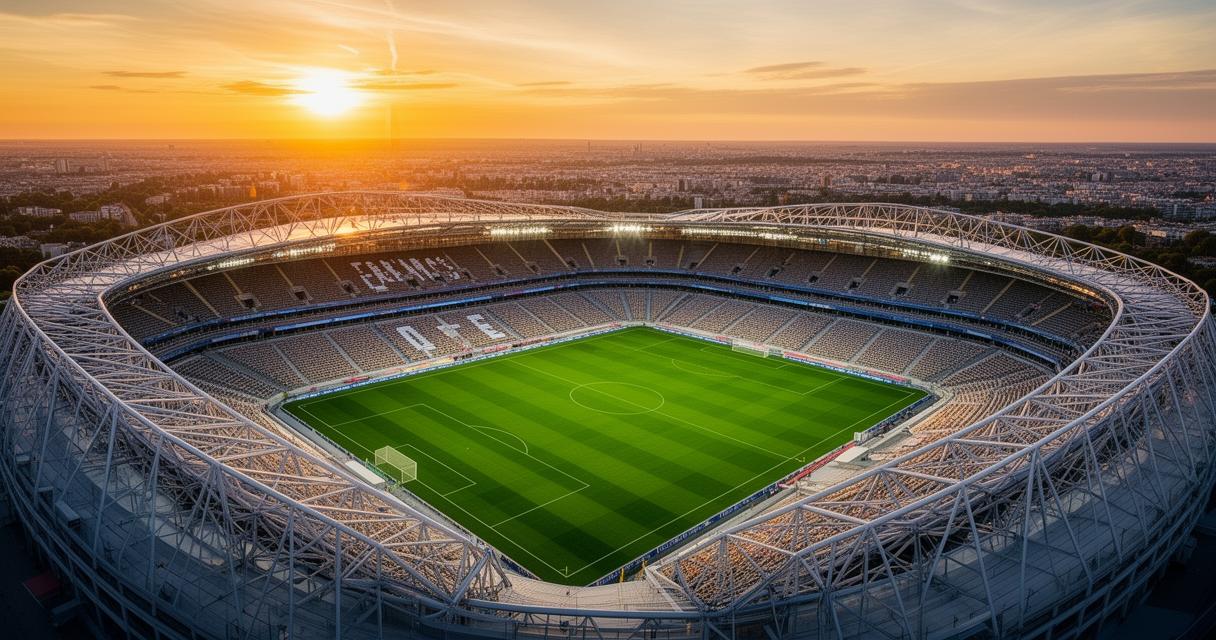
Modern versus historic venues: comparing investment requirements
The financial requirements for developing new stadiums contrast sharply with those associated with renovating historic grounds. Constructing entirely new venues like the Groupama Stadium involved acquiring land, securing planning permissions, and building from foundations upward, processes that generated substantial costs but offered architects complete freedom in design and functionality. Conversely, renovating established grounds like the Stade Vélodrome required working within existing structural frameworks, preserving heritage elements, and managing ongoing operations during construction phases. Each approach presented distinct financial challenges and opportunities, with renovation projects often encountering unexpected complications as work revealed structural issues within ageing infrastructure.
Historic venues carry intangible value that extends beyond physical structures. These grounds embody decades of footballing heritage, memorable matches, and emotional connections that resonate deeply with supporters. Investment in their preservation and modernisation therefore serves purposes beyond mere functionality, maintaining cultural continuity whilst introducing contemporary amenities. This dual objective frequently increases costs, as architects must employ specialised techniques to integrate modern systems within historic structures without compromising architectural integrity. The decision between constructing new venues or renovating existing ones reflects broader philosophical debates within French football about balancing tradition with progress, debates that ultimately shape investment priorities and financing strategies adopted by clubs and municipalities responsible for these iconic structures.
Financing models behind france's premier football stadiums
Public-private partnerships and municipal funding strategies
The financing of French football stadiums represents a complex tapestry of public and private investment, reflecting broader European approaches to sports infrastructure funding. Unlike American stadiums, where private ownership and corporate financing dominate, French developments typically involve substantial municipal investment justified through projected economic benefits and civic pride. Local authorities contribute land, infrastructure improvements, and direct financial support, viewing stadiums as catalysts for urban regeneration and economic development. Private partners, including football clubs and corporate investors, provide additional funding whilst assuming operational responsibilities and commercial risks. This collaborative approach distributes financial burden whilst aligning public and private interests around shared objectives of creating world-class facilities that serve community needs beyond hosting football matches.
Municipal funding strategies often incorporate creative financing mechanisms designed to minimise immediate budgetary impact. Long-term bonds, regional development funds, and revenue-sharing arrangements with clubs allow authorities to spread costs across extended periods whilst capturing portions of commercial income generated by venues. These arrangements sometimes prove contentious, particularly when public expenditure occurs during periods of economic constraint or when projected returns fail to materialise as anticipated. Nevertheless, the model remains prevalent across French stadium developments, reflecting political consensus around the value of sporting infrastructure and its capacity to enhance municipal prestige, attract tourism, and stimulate local economies through employment and ancillary business activity associated with major sporting events and regular match-day operations.
Uefa euro 2016 legacy: how international tournaments shaped stadium investment
The 2016 UEFA European Championship served as a transformative catalyst for French stadium investment, accelerating projects that might otherwise have proceeded more gradually and justifying expenditure through the prestige and economic impact of hosting a major tournament. The competition's requirements mandated that host venues meet exacting standards regarding capacity, facilities, and accessibility, compelling municipalities and clubs to undertake comprehensive renovations or construct entirely new stadiums within compressed timeframes. This external pressure provided political cover for substantial public investment, as authorities could frame expenditure as essential for national pride and international standing rather than discretionary spending on sports infrastructure.
The legacy of Euro 2016 extends beyond the tournament itself, establishing a network of modern venues that continue to serve French football and broader sporting purposes. Stadiums upgraded or constructed for the competition now host Champions League matches, international fixtures, and major concerts, generating ongoing revenue that helps justify initial investment. The tournament demonstrated France's capacity to deliver world-class sporting events, enhancing its reputation as a destination for future competitions. However, the accelerated investment also generated debate about priorities and opportunity costs, particularly regarding whether comparable public resources might have addressed other pressing social needs. These discussions reflect broader tensions within sports infrastructure financing, where passionate support for football must be balanced against competing demands on public budgets and questions about equitable distribution of community resources across diverse needs and populations.